
When you own a home in Federal Way, you quickly learn that the Pacific Northwest weather can be tough on exterior paint. Understanding seasonal paint changes helps you protect your investment and keep your home looking great throughout the year. The unique climate in this region creates specific challenges that every homeowner should know about.
Federal Way experiences distinct seasonal patterns that affect exterior paint differently than other parts of the country. The wet winters, mild summers, and frequent temperature fluctuations all play a role in how your paint holds up over time. Knowing what to expect during each season helps you spot problems early and take action before small issues become expensive repairs.
Fall and Winter Moisture Challenges
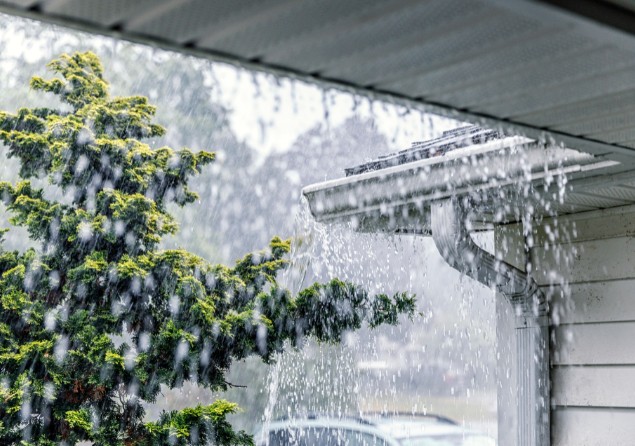
The rainy season brings the biggest test for exterior paint in our area. From October through March, constant moisture exposure can penetrate even small cracks in your paint surface. When water gets behind the paint layer, it causes bubbling, peeling, and wood rot. The combination of rain and lower temperatures means surfaces stay wet longer, giving moisture more time to cause damage.
Moss and mildew growth accelerate during these wet months. You might notice green or black spots appearing on north-facing walls or shaded areas. These organisms don’t just look bad—they actually hold moisture against your paint and siding, speeding up deterioration. Regular cleaning in fall can help prevent this buildup before the wettest months arrive.
Temperature Swings and Paint Expansion
Our mild climate might seem gentle, but the constant temperature changes create their own problems. Paint expands when it’s warm and contracts when it’s cold. In areas where temperatures swing from 35 to 55 degrees in a single day, this expansion and contraction happens repeatedly. Over time, these movements cause paint to crack and separate from the surface.
Winter freezing presents another concern. Even though Federal Way doesn’t experience harsh winters, occasional freezing temperatures can cause trapped moisture to expand. This expansion pushes paint away from the wood or siding underneath. Once the paint loses its tight seal, water intrusion becomes much easier during the next rain.
Spring Preparation and Inspection
Spring offers the perfect opportunity to assess winter damage and prepare for summer. As temperatures stabilize and rain decreases, you can spot areas where paint has failed. Look for peeling, cracking, bubbling, or discoloration. These signs indicate that moisture has compromised the paint layer.
The drier spring weather also provides ideal conditions for touch-up work. Paint needs moderate temperatures and low humidity to cure properly. Taking care of small repairs in spring prevents them from growing into larger problems during the next rainy season. Clean your exterior surfaces thoroughly to remove winter grime and mildew before addressing any paint issues.
Summer Sun and UV Damage
While our summers stay relatively mild, UV radiation still affects exterior paint. South and west-facing walls receive the most sun exposure and show fading faster than other areas. Darker colors absorb more heat and fade more noticeably. You might see chalking, where the paint surface becomes powdery to the touch—this happens when UV rays break down the paint binder.
The combination of occasional hot days and our typical moisture can create stress on painted surfaces. Paint that has already been weakened by winter moisture damage becomes more vulnerable to summer sun. This is why maintaining a complete, intact paint layer is so important year-round.
Choosing Paint for Local Conditions
Not all exterior paints perform equally in our climate. High-quality acrylic latex paints with mildew-resistant additives work best for our wet conditions. These paints allow water vapor to escape while blocking liquid water from entering. Proper surface preparation before painting matters just as much as paint quality—surfaces must be clean, dry, and properly primed.
The right paint system includes primer, paint, and sometimes a clear protective topcoat. Each layer serves a specific purpose in protecting your home from seasonal weather patterns. Investing in quality materials and proper application techniques extends the life of your paint job significantly.
Need Expert Guidance for Your Home?
Understanding how seasons affect your exterior paint helps you maintain your home’s beauty and value. If you have questions about your home’s exterior condition or want professional advice on protecting your surfaces, Progressive Painting Inc. is here to help. Visit ppipainting.com to learn more about keeping your home protected year-round.
Protect Your Federal Way Home from Seasonal Paint Changes Today
Posted on November 18, 2025 | Published by Ignite Local | Related Local Business