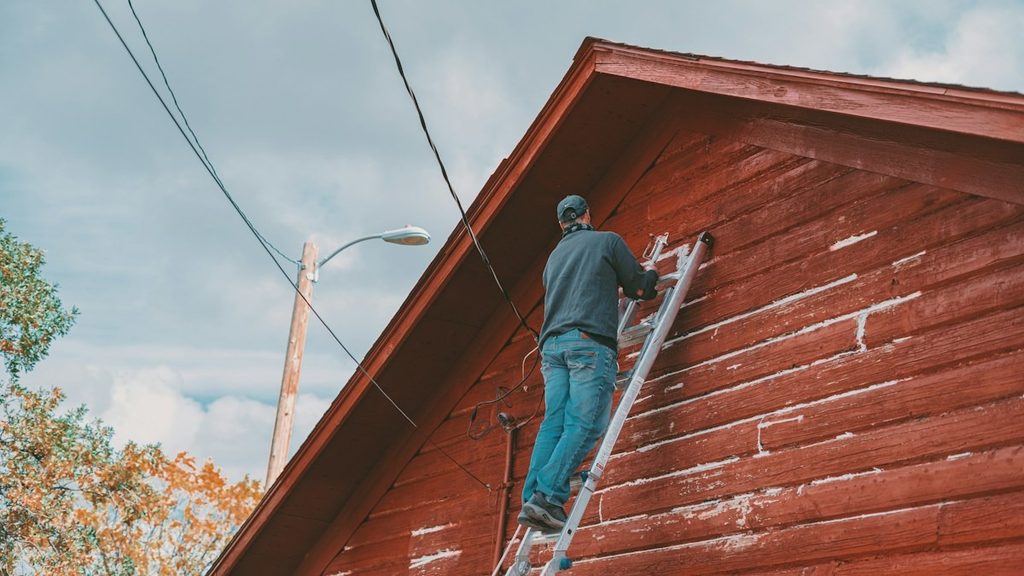
Picture the November board meeting. The budget is on the table, and the siding on Building C is chalky enough that the residue rubs off on residents’ sleeves. The repaint is pushed to “after the holidays.” By March, the color palette still is not final, no bids have gone out, and the dry months are filling with other customers’ jobs.
Most exterior repaints succeed or fail based on decisions made in winter. This guide explains what typical HOA painting guidelines cover, how architectural review works, and how to compare bids. It also shows how to avoid a low bid that leaves out important prep work.
Table of Contents
Why winter is the deadline
Exterior paint needs dry wood and mild weather. Around Puget Sound, that usually means May through September. Seattle’s drier season runs from about the end of April to early October, so a multi-building repaint has to start early in that window to finish it.
The money has to be approved first. Under Washington’s HOA statute, the board adopts a budget and sends owners a summary. It then holds a meeting 14 to 60 days later. At that meeting, owners ratify the budget unless a majority votes it down. Associations under the newer condominium and common interest community act follow a similar process. If the repaint is not in the budget that owners ratify this winter, it usually waits a year.
The reserve study is the other document to review now. Washington associations with significant assets must update it every year, and a professional must inspect the site at least every three years. Exterior paint is almost always listed in the study, along with its expected lifespan and a cost estimate. If the study says paint is due in 2027 and the siding agrees, the board has strong support for the repaint.
Before the budget meeting, check the reserve study’s paint line and the age of the last repaint.
What HOA painting guidelines usually regulate
Every association’s declaration and rules are different, so read your own first. Most cover the same five areas.
1. Approved color palettes
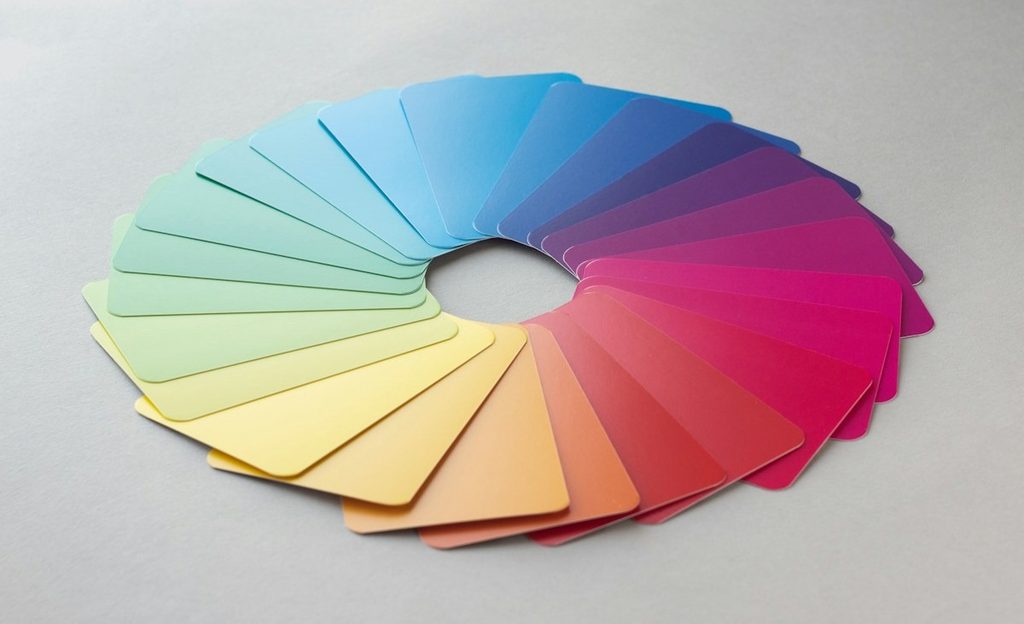
Most HOAs approve a set of complete color schemes. Each scheme includes a body color, a trim color, and an accent. These colors often come from one manufacturer’s fan deck, identified by color number. Some associations assign schemes so that neighboring buildings do not match. Discontinued colors cause trouble, too. A palette written in 2014 may list colors that a store can no longer mix by name.
2. Sheen
Guidelines often set the sheen as well as the color. A common example is flat or satin on siding, with semi-gloss or gloss on trim and doors. In this climate, a higher sheen is practical as well as attractive. It sheds rain and is easier to clean on surfaces people touch.
3. Trim, front doors, and garage doors
Trim usually has to match the scheme. Many associations let owners choose the front door color from an approved list of accents. Garage doors are often required to match the body or the trim. A row of mismatched garage doors is the first thing people notice from the street.
4. Product and prep standards
Some guidelines name a minimum product line, the number of coats, or the prep required, such as washing, scraping, priming bare wood, and caulking. These standards help a repaint last ten years instead of failing in four.
5. Who paints what
The declaration decides whether siding, trim, decks, and doors are common elements the association maintains or owner responsibilities. In many condominiums the association paints the whole exterior. In many single-family HOAs, owners paint their own houses following the association’s rules. Confirm which applies before you ask for bids.
How architectural review works
When an owner paints their own home, the architectural review committee (ARC) approves it first. The usual steps run like this.
- Application: The owner submits the scheme number or color names and numbers, the sheen, and sometimes the product.
- Review: The committee checks it against the palette within the time window the governing documents set.
- Written approval: The owner keeps a copy and gives it to the painter.
- Paint: Painting before approval can mean repainting at the owner’s cost.
A board running an association-wide repaint works in the opposite direction. First, update the palette and replace discontinued colors. Then paint large samples on an actual building, on both the north and south sides, before owners vote. A small chip on a clubhouse table does not show how a color will look on a three-story wall.
What the board should settle before spring
- Scope: Which buildings, which surfaces, and whether the job runs in one season or in phases.
- The palette: Final, with color numbers and sheens, approved before bids go out.
- A written spec: Prep steps, primer for bare wood, product line, and number of finish coats.
- Funding: In the ratified budget, or drawn from reserves as the study planned.
- Resident logistics: Parking, window access, pets, plants against the siding, and how residents get notice before their building starts.
How to compare bids on a multi-building repaint
The lowest bid often includes the least work. To compare bids fairly, keep these points in mind.
- Send every bidder the same spec: Otherwise, you are comparing different jobs that share one name.
- Get prep itemized: Pressure washing, scraping, sanding, spot priming, caulking, and how failing caulk gets handled. Prep is where low bids often save money.
- Ask for a unit price on rot repair: No one knows how much soft trim sits behind the paint until scraping starts. A price per linear foot keeps change orders fair.
- Confirm product and coats by name: “Two coats of [named product line]” is comparable. “Premium paint” is not.
- Verify the contractor: In Washington, L&I’s Verify tool shows registration, bond, and liability insurance. L&I also suggests asking about a performance bond on larger projects and collecting lien releases before final payment.
- Check for lead requirements: Buildings built before 1978 fall under the EPA’s lead-safe renovation rules, which require a certified firm when painted surfaces are disturbed.
- Get the warranty in writing: Ask what it covers, how long it lasts, and what voids it.
- Ask for multi-building references: A crew that paints single houses well may not manage a 12-building job well.
Raise the same questions you’d ask any painting contractor. A bidder with association experience should answer them without looking anything up.
Getting on a spring schedule
Boards that approve the palette, the spec, and the budget by late winter can choose from the best dry-season dates. Progressive Painting has painted around Puget Sound since 1996. The company handles exterior repaints and multi-building work as a commercial painting contractor, from Seattle to Tacoma and Federal Way. If your board wants an HOA painting service in Seattle or the South Sound for spring, call today to walk the property and write the spec with you.
Frequently Asked Questions
What do HOA painting guidelines usually cover?
They usually cover approved color schemes for the body, trim, and accents. They also set required sheens and rules for front doors and garage doors. Some include minimum product and prep standards. The guidelines also set the architectural review process owners follow before painting. Your association’s declaration and rules are the final word.
When should an HOA approve an exterior repaint?
Approval should come by late winter. Washington budgets must be ratified by owners at a meeting held 14 to 60 days after the budget summary goes out. The dry painting season runs roughly May through September. A repaint approved in December or January can be bid and scheduled for an early start.