
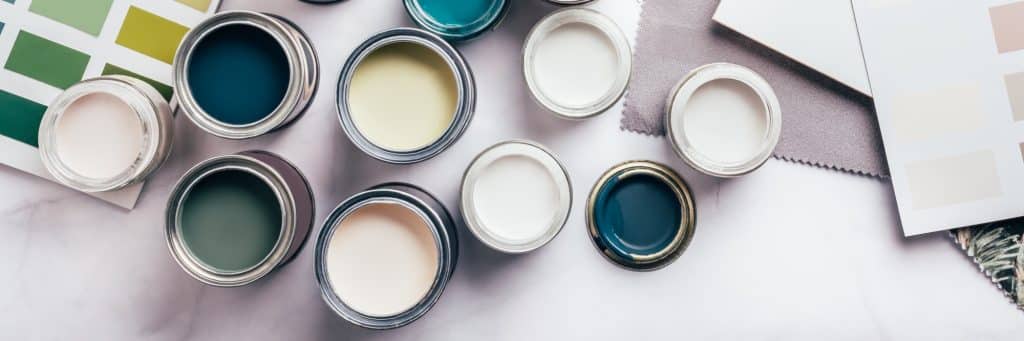
Choosing interior and exterior paints the correct coatings for your home or business involves far more than picking eye-catching shades from a color swatch. After all, there are several important questions to ask when planning a painting project. In King and Pierce Counties, heavy rainfall and seasonal temperature shifts constantly attack poorly coated siding, while indoor high-traffic zones quickly show scuffs if finished with the wrong sheen. Ignoring product compatibility leads to rapid surface failure, forcing property owners into premature, costly repaints. Understanding specialized formulas and surface preparation allows you to protect your building envelope while maintaining vibrant visual appeal.
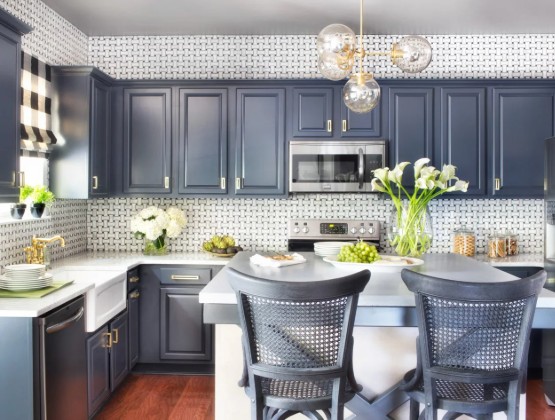
What Are the Main Types of Interior and Exterior Paints Available Today?
Interior paints are formulated with stain-resistant resins to handle regular cleaning, while exterior paints contain flexible acrylic or elastomeric polymers engineered to resist UV rays, heavy rain, and temperature fluctuations. Selecting the right formula depends on whether the surface requires interior scuff resistance or exterior weatherproofing against Pacific Northwest moisture.
Choosing interior and exterior paints with the proper formulation ensures your investment holds up over time. Interior spaces demand low-odor products that withstand scrubbing, whereas outdoor surfaces require coatings that adapt to shifting environmental conditions without cracking.
- Interior Acrylic Latex: Highly durable for indoor living spaces, offering simple cleanup with soap and water alongside minimal volatile organic compounds.
- Exterior 100% Acrylic: Flexible coatings designed to expand and contract with exterior wood and fiber cement during temperature shifts.
- Elastomeric Formulations: Thick, flexible coatings ideal for masonry or stucco that stretch to bridge minor surface cracks and prevent water intrusion.
- Oil-Based and Alkyd Primers: Exceptional options for blocking knot bleed-through on raw cedar or sealing stubborn water stains before applying topcoats.
Understanding these material distinctions helps property owners avoid premature failure.
How Do You Select the Right Sheen for High-Traffic vs Low-Traffic Areas?
Select your paint sheen by balancing aesthetic preference against required durability, choosing lower sheens like flat or eggshell for low-traffic walls and higher sheens like semi-gloss or gloss for high-impact trim, kitchens, and doors. Higher gloss levels contain more resin, producing a washable, moisture-resistant barrier that protects busy surfaces.
Sheen levels dictate both how light reflects across a room and how easily you can scrub away dirt. Matching the sheen level to room usage prevents dulling and surface damage over time.
| Paint Sheen Level | Reflectivity Level | Best Application Area | Surface Washability |
| Flat / Matte | Non-reflective | Ceilings, low-traffic bedrooms, accent walls | Low (Hides surface imperfections) |
| Eggshell | Subtle, soft sheen | Living rooms, dining areas, adult bedrooms | Moderate (Wipes clean gently) |
| Satin | Pearl-like luster | Hallways, family rooms, exterior siding | High (Handles regular cleaning) |
| Semi-Gloss | Sleek, reflective | Cabinets, trim, doors, bathrooms, kitchens | Very High (Moisture and scrub resistant) |
| High-Gloss | Mirror-like shine | Front doors, decorative trim, metal railings | Maximum (Extremely hard-wearing) |
To review technical sheen standards, consult educational resources from the Painting Contractors Association (PCA). Selecting the appropriate finish preserves wall appearance while keeping maintenance manageable.
What Key Color Factors Should You Consider Before Painting?
Consider regional lighting conditions, existing architectural materials, and overall room functionality before selecting your final color scheme. Warm tones energize gathering spaces, cool tones create relaxing environments, and testing physical samples under changing daylight reveals subtle undertone shifts that digital swatches miss.
Color perception changes dramatically between damp, overcast days and bright afternoon sun. Evaluating paint swatches directly on target surfaces prevents unexpected color shifts after full application.
- Lighting Analysis: Natural northern light cools down paint shades, while warm interior lighting brings out yellow and red undertones.
- Fixed Material Coordination: Match wall colors to unpainted elements such as stone fireplaces, hardwood flooring, or brick masonry.
- Regional Visual Harmony: Pacific Northwest landscapes pair exceptionally well with grounded earth tones, muted grays, and rich forest greens.
- Sample Testing: Apply generous paint patches on multiple walls to observe how colors look during morning, afternoon, and evening hours.
Testing your living room with the right colors thoroughly prevents costly finish adjustments mid-project.
How Does Surface Preparation Affect Long-Term Paint Performance?
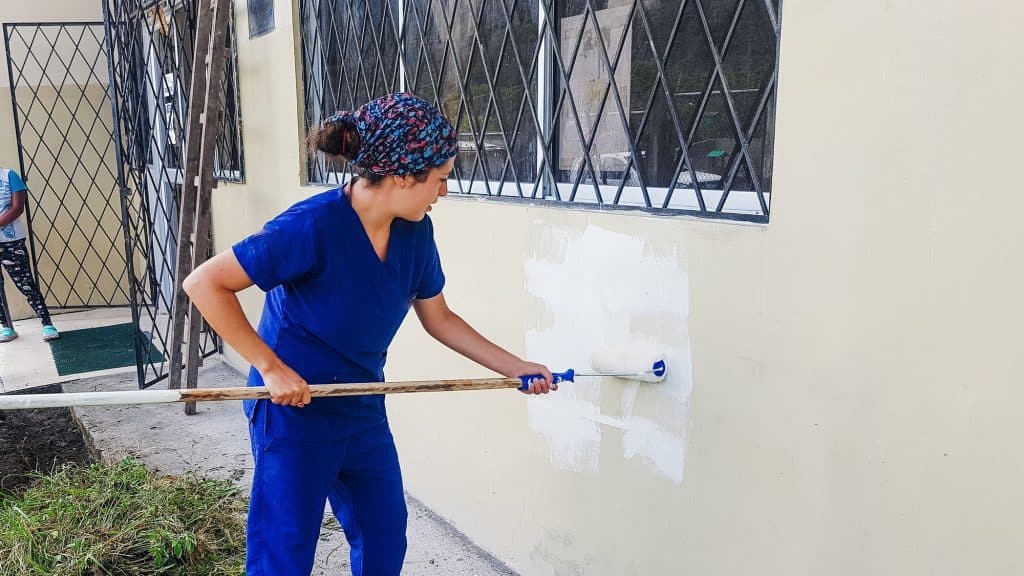
Surface preparation directly determines paint adhesion, with thorough cleaning, scraping, sanding, and priming accounting for up to 80% of a successful coating system’s longevity. Skipping preparation steps traps dirt, oils, and loose debris beneath fresh paint, causing rapid blistering, flaking, and coat failure.
Proper prep creates a stable foundation that allows topcoats to bond at a molecular level. Professional crews dedicate significant effort to surface conditioning long before opening a paint bucket.
- Thorough Surface Cleaning: Washing away airborne grime, mildew spores, and chalking residue ensures uncompromised primer bonding.
- Mechanical Sanding: Sanding rough wood fibers and feathering peeling edges creates a completely smooth, uniform surface transition.
- Substrate Repair: Patching drywall dents, filling wood voids, and replacing damaged trim prevents water infiltration.
- Targeted Priming: Applying specialized primers seals porous surfaces and prevents tannin bleeding from raw timber.
Why Do Regional Weather Patterns Impact Exterior Paint Choices?
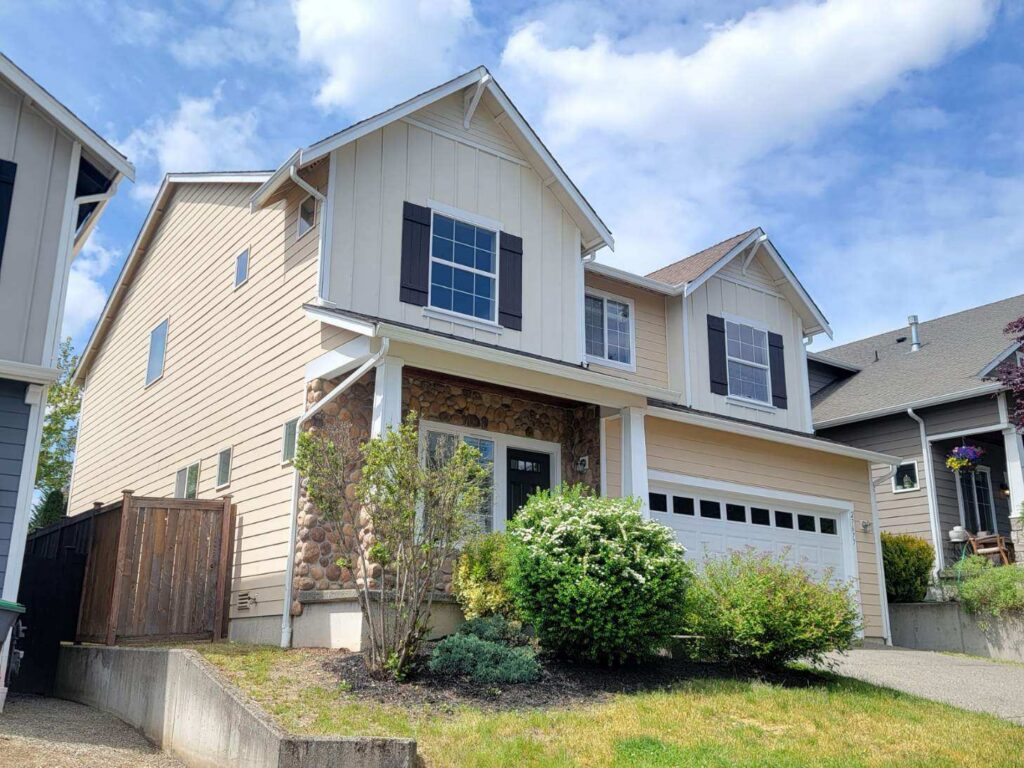
Regional weather patterns in King and Pierce Counties impact exterior paint choices because persistent rain, high humidity, and cool ambient temperatures interfere with proper paint curing. Choosing moisture-resistant, temperature-tolerant acrylics prevents trapped dampness from causing premature peeling, bubbling, and fungal growth on exterior siding.
Applying paint during improper climate conditions prevents topcoats from forming a cohesive barrier. Local properties require specialized product formulations designed to handle regional climate swings.
- Substrate Moisture Testing. Siding moisture levels must drop below safe thresholds before applying primers or topcoats.
- Extended Curing Windows. Cool weather formulas allow paint to cure safely even when evening temperatures drop significantly.
- Mildew Resistant Additives. High-grade exterior products incorporate fungicides designed to prevent moss and algae staining in shaded areas.
What Are the Benefits of Hiring Professional Painters vs DIY?
Hiring professional painters guarantees expert surface preparation, advanced coating application, precise lines, and faster execution without the risks associated with hazardous ladder work. Certified professionals bring specialized spray equipment, commercial-grade materials, and structured project management that eliminates costly DIY trial and error.
While DIY painting appears straightforward, purchasing specialized equipment, scaffolding, and premium materials quickly reduces anticipated savings. Professional teams handle complex structural details safely and efficiently.
- Expert Problem Diagnosis. Experienced painters spot hidden wood rot, structural settlement, and moisture issues before applying paint.
- Commercial Application Equipment. Professional airless sprayers combined with manual back-brushing ensure deep, even paint coverage into textured substrates.
- Safety Protocols. Certified crews manage steep roof pitches, high gables, and multi-story setups using safety harnesses and stable rigging.
- Streamlined Timelines. Dedicated painting crews complete full residential transformations in days rather than spreading work across several weekends.
How Do Quality Paints and Application Techniques Increase Property Value?
Quality paints and professional application techniques increase property value by creating a durable, pristine exterior finish that enhances curb appeal and protects structural substrates from rot. A well-maintained building envelope reassures home inspectors and buyers that the property has received exceptional ongoing care.
Upgrading your paint system delivers an immediate return on investment by elevating market appeal. Clean trim lines, modern color palettes, and smooth wall textures signal higher property quality across competitive real estate markets.
- Enhanced Curb Appeal. Fresh, professionally applied exterior colors help properties stand out in King and Pierce County neighborhoods.
- Substrate Protection. High-performance elastomeric and acrylic coatings seal building materials, preventing moisture-induced rot.
- Positive Appraisal Impact. Well-maintained surfaces prevent negative inspector callouts during buyer negotiations or refinancing valuations.
Choosing interior and exterior paints requires balancing product chemistry, aesthetic preferences, surface prep, and regional climate factors. Professional application ensures your property receives long-lasting protection and superior visual appeal. With 30+ Years in Business – Progressive Painting Inc. delivers trained craftsmanship and clear communication across King and Pierce Counties. Contact us today to schedule your professional consultation today.
Frequently Asked Questions
What is the difference between interior and exterior paint?
Interior paint uses flexible resins designed to resist staining, scuffing, and regular scrubbing in enclosed environments. Exterior paint contains stronger UV inhibitors, fungicides, and flexible polymers engineered to withstand temperature swings, moisture, and fading caused by outdoor sun exposure.
How do I know which paint sheen to choose for my room?
Choose flat or eggshell sheens for low-traffic living areas and ceilings to minimize visible wall imperfections. Select satin, semi-gloss, or high-gloss sheens for high-use areas like kitchens, bathrooms, doors, and trim, where washability and moisture resistance are required.
How often should homes in King and Pierce Counties be repainted?
Homes in King and Pierce Counties typically require exterior repainting every 7 to 10 years, depending on sun exposure and siding material. Interior spaces generally benefit from repainting every 5 to 7 years to update style and address scuffs.
Can you paint exterior siding during rainy Northwest months?
Exterior painting requires dry siding substrates and stable ambient temperatures during application and curing. While dry periods occur throughout the year, primary exterior painting in the Seattle-Tacoma area usually takes place from late spring through early autumn.